Technical notice recommending preventive measures on board to avoid equipment damage caused by lightning
Our society has recently received a number of reports of ships being struck by lightning while sailing in waters near the equator. The instantaneous high-voltage currents generated by lightning strike and destroy antennas of communication and navigation equipment, and further burn through or damage the equipment main units, causing equipment failure and affecting normal communication and navigational safety.
Scientific research shows that lightning is more likely where solar radiation is strong. Globally, lightning is most active near the equator; its frequency generally decreases with latitude and is lowest in the polar regions. Over the ocean, lightning mostly occurs over warm currents and is more frequent at night. Waters with frequent lightning include the Indian Ocean, the Strait of Malacca and the South China Sea. Scientists have found that lightning counts over these busy shipping lanes are more than twice those in other waters. This is mainly because exhaust gases emitted by ships contain traces of soot and nitrogen and sulphur compounds; these aerosol particles promote cloud formation and increase lightning activity.
Article 2.13.1.1 of Section 13, Chapter 2, Part 4 of our Rules for Classification of Sea-Going Steel Ships clearly states: "For ships of metal construction, since the metal masts, structural members and hull form an inherent low-resistance path to earth, no separate lightning protection system is required." However, on ships built today, the upper ends of masts are mostly flat structures and are well protected by paint. The top of the radar mast usually carries a Morse signal lamp, and the foremast top often carries a forward anchor light. As a result, the highest points of the masts do not form an effective lightning-attracting arrangement equivalent to a well-conducting air terminal. When such ships encounter lightning in open waters with intense lightning activity, neither the highest nor the secondary high points can effectively attract the lightning, making it impossible to predict which equipment will be damaged when a strike occurs.
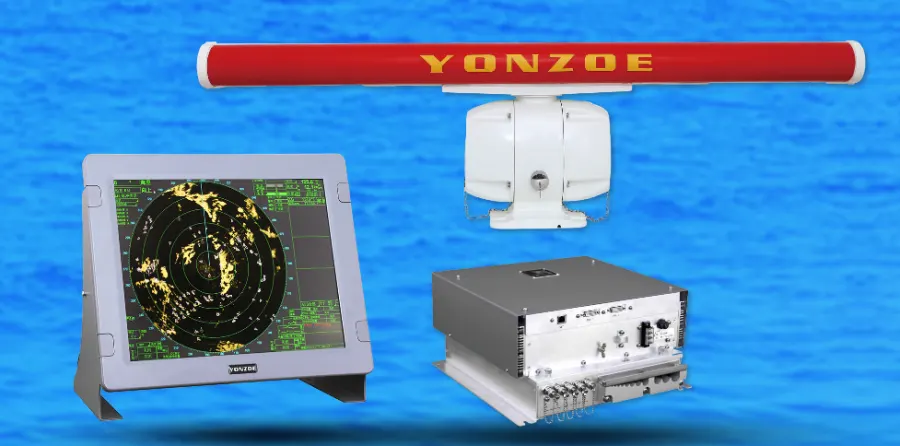
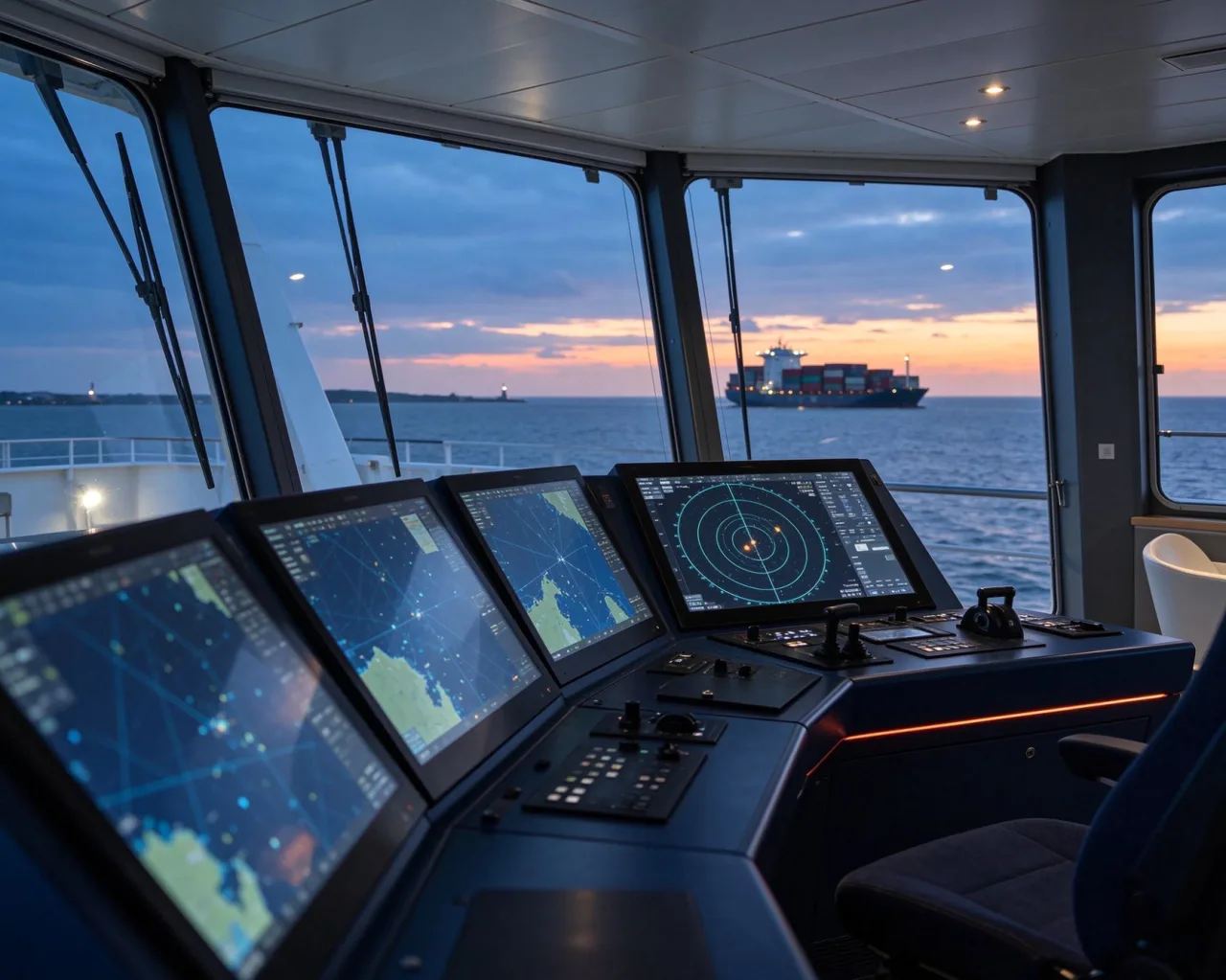
According to recorded lightning accidents, the affected equipment includes MF/HF antennas, radars, satellite navigation systems (GPS), external units of anemometers (commonly known as "the little aircraft"), VHF equipment with antennas mounted on the radar mast, and other equipment connected to them. For example, when a radar is struck, indirectly connected equipment such as ECDIS and gyrocompasses has also been damaged.
The following conclusions can be drawn from the above notice:
-
The increase in aerosol particles emitted along shipping lanes raises the number of thunderstorms over those lanes.
-
Lightning accidents involving ships have increased year by year and are serious, calling for lightning protection devices to be installed.
-
The CCS requirements for shipboard lightning protection are minimum requirements. A lightning rod is essentially a strike-attracting rod, which can cause damage and failure of various communication and navigation equipment and bring other risks.
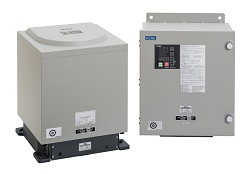
For shipboard lightning protection, the CMCE Marine series is the best choice. It eliminates lightning and avoids the thermal effects, mechanical effects, electric sparks and various induced-lightning hazards brought by direct strikes, providing comprehensive protection for ships and enabling ocean-going vessels in particular to sail safely through thunderstorms.
The CMCE Marine series includes three models, Gold, Platinum and Diamond, with protection radii of 25 m, 55 m and 120 m respectively, covering all marine vessels and facilities from private yachts to large ships and warships.
The CMCE Marine series is also the world's only lightning protection device certified by both Lloyd's Register (UK) and RINA (Italy). The numerous test reports and certifications are the strongest endorsement of the series.
CMCE Marine products are widely used on vessels of all sizes, providing reliable protection for safety at sea.
The company has developed an automatic technical manual generation system. You only need to provide the vessel's dimensions and elevation drawings, and we will generate a technical specification including the protection scope specifically for your vessel.
For information:
Tel: 021-68050680
Email: sales@malinsmarine.com